Understanding Circuit Breakers: Essential Knowledge for Every Homeowner Jan 09, 2026
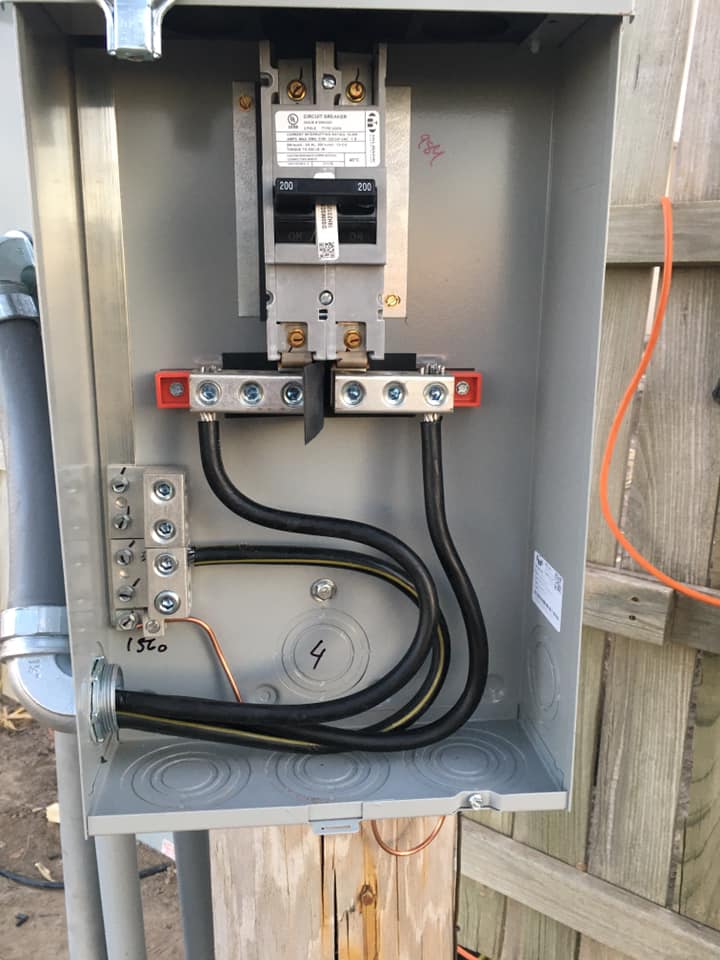
At its core, a circuit breaker is a safety device designed to protect your home from electrical hazards. When you understand how they function, you can better manage minor electrical issues and know when to call in the professionals. Circuit breakers work by interrupting the flow of electricity if they detect an overload or short circuit. This interruption prevents overheating, thus averting potential fire hazards.
The importance of circuit breakers cannot be overstated. Imagine plugging in a high-wattage appliance while many other devices are running. An unregulated power surge could damage your appliances or, worse, lead to an electrical fire. Circuit breakers act as vigilant sentinels, shutting off electricity before any damage can occur.
Having clarified why circuit breakers matter, it is crucial to recognize the signs that a breaker might be failing. Frequent tripping is a common symptom of an overburdened circuit, often a sign that your electrical demands exceed what the circuit can handle. Similarly, if resetting the breaker doesn’t restore power or you notice burnt smells or scorched marks on the breaker panel, it's time to consult Rudy's Leoti Electric.
Homeowners should also consider the types of circuit breakers available. Standard breakers, ground fault circuit interrupters (GFCIs), and arc fault circuit interrupters (AFCIs) all serve different protective purposes. GFCIs are crucial for damp areas like kitchens and bathrooms, where the risk of electric shock is higher. Conversely, AFCIs protect against electrical arcs, which can pose fire risks unseen to the naked eye. Understanding which types of breakers you have and maintaining their functionality is essential for a safe home.
Regular maintenance is vital to ensure your circuit breakers operate effectively. A key part of this involves routinely testing each breaker, especially GFCIs and AFCIs, using their built-in test buttons. This simple task can prevent electrical failure. Moreover, keeping your breaker panel clean and ensuring it's accessible can also avert unnecessary complications during emergencies.
Educating oneself about various electrical systems, while beneficial, isn't a substitute for professional guidance. Complex issues like rewiring or handling excessive load circuits should always be left to experts like Rudy's Leoti Electric, who bring precision and peace of mind to electrical repairs.
An essential takeaway for homeowners is the vitality of never ignoring a tripping circuit breaker. This repeated issue often indicates underlying electrical problems that, if left unresolved, could escalate. Always ensure your electrical system can support your home's power demands, avoiding the temptation to overload circuits.
In conclusion, having a basic understanding of circuit breakers arms you with the knowledge to react appropriately in electrical emergencies. It’s a safeguard that protects not just your home and belongings but also your family's safety. Whether it’s identifying faulty breakers or ensuring your electrical system is up to the task, Rudy's Leoti Electric stands ready to assist with any concerns. Don’t hesitate to reach out and keep your home safe and secure with professional expertise.
/filters:no_upscale()/filters:format(webp)/media/114826f4-d89b-4361-b9e8-692744d740de.jpg)
/filters:no_upscale()/filters:format(webp)/media/802bbd48-afc8-47aa-a0c1-b956b1a32989.jpg)